Imagine Your Child Graduating University With $0 In Debt
There is $7,200 sitting in a government vault with your kid’s name on it. I’ll show you how to claim it in 15 minutes
Stop "saving" in a dead-end account and start investing with the RESP using the right investment strategy
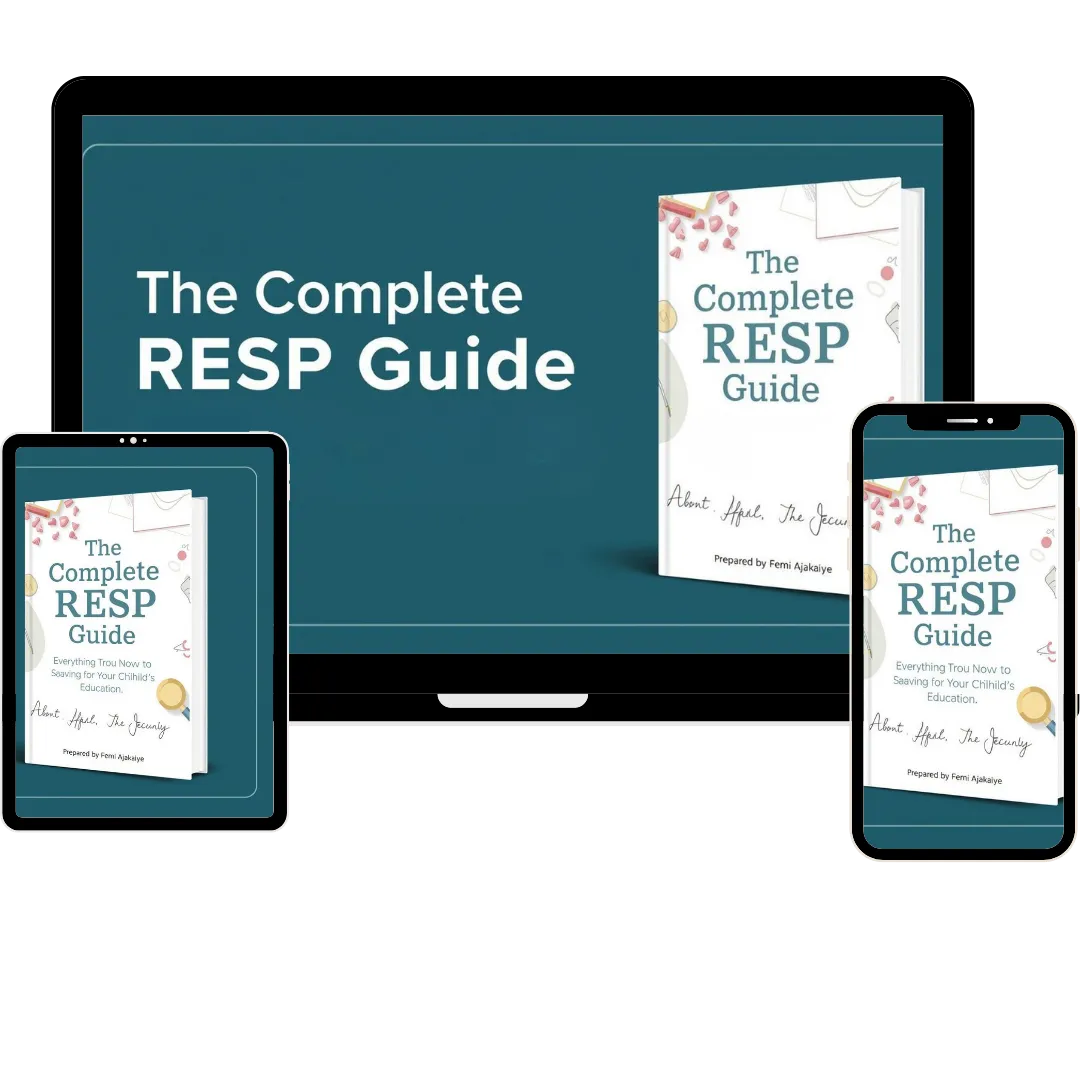
Download this Free RESP Guide for Canadian Immigrants
Get the PDF sent to your email
This flexibility means your child can pursue the education path that's right for them, whether that's a four-year degree, a technical certification, or apprenticeship training.
When should I open an RESP for my child?
The best time to open an RESP is as early as possible, ideally shortly after your child is born. Starting early gives your investments more time to grow through compound interest and allows you to maximize government grants over time.
How much should I contribute to maximize government grants?
Contributing $2,500 per year will qualify you for the maximum annual Canada Education Savings Grant (CESG) of $500. To maximize the lifetime grant of $7,200, you need to contribute a total of $36,000 over the years. This works out to about $208 per month from birth to age 17, but you can contribute at any pace that works for your budget.
What happens if my child doesn't go to post-secondary school?
You have several options: transfer the funds to another child's RESP, withdraw your original contributions tax-free, roll investment earnings into your RRSP (within limits), or take the earnings as income (subject to tax and penalties). Government grants must be returned, but you never lose your own contributions.
Common mistakes parent make include
Waiting too long to open an RESP: Every year you wait is free grant money left on the table. Even small contributions in early years make a difference.